Animals have adapted all sorts of special skills to help them perform specific tasks. One of these skills is climbing. There are many animals known for their climbing abilities, but perhaps you’re specifically curious about animals that climb trees. If so, keep reading as we explore some common tree-climbing creatures.
What You'll Learn Today
1. Sloth
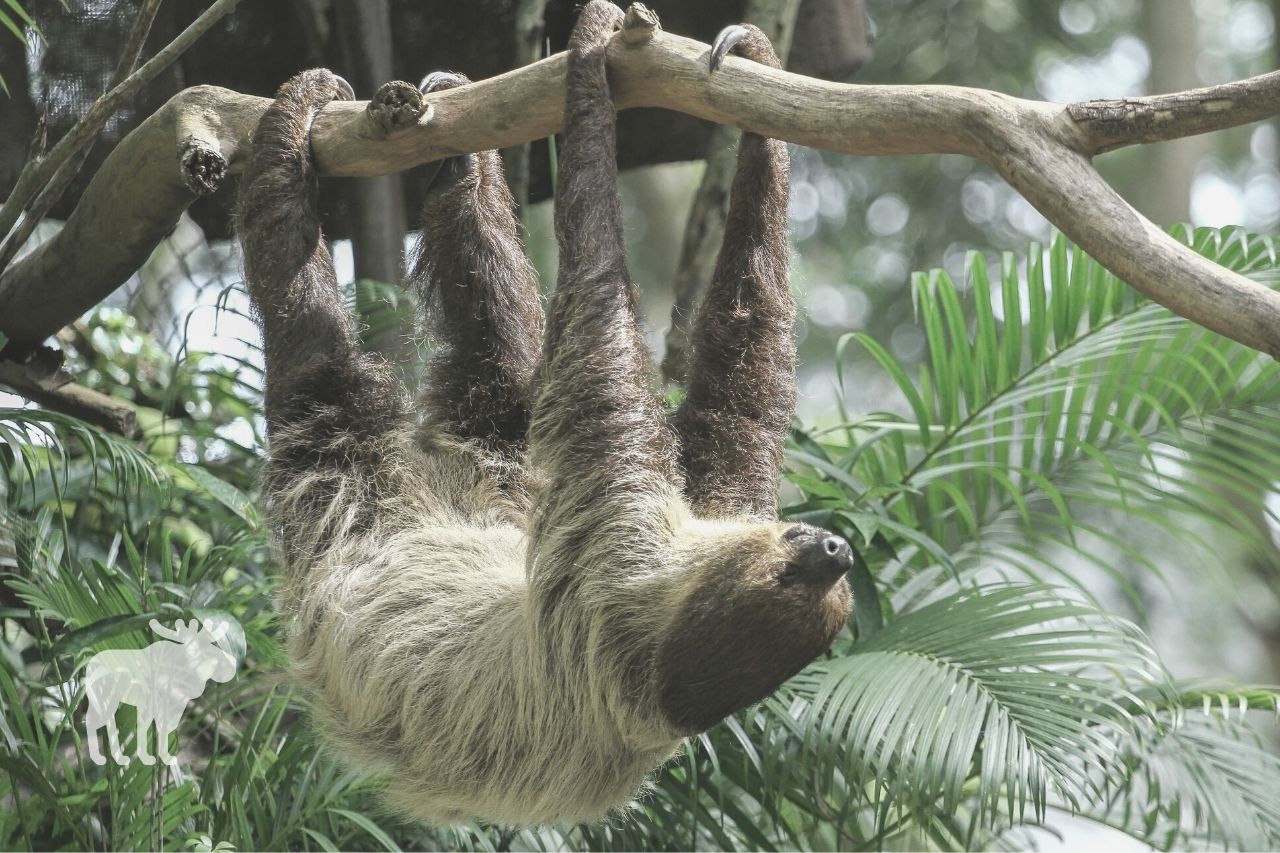
Sloths are native to the tropical forests of Central and South America. There are six distinct species of sloth, and all of them climb trees.
Sloths have long, curved, hook-like claws that help them grip tree branches while hanging from the limbs. They can also climb vertically, using their claws to pull themselves up as they climb higher.
Sloths spend most of their time in trees and move very slowly to conserve energy. They primarily eat leaves since these are so abundant in their environment.
2. Opossum
Opossums are semi-arboreal mammals found throughout North, Central, and South America. There are 126 species, most of which are found in Central and South America.
These creatures climb trees using their sharp claws. Species with prehensile tails, like the Virginia opossum, also use their tails to grip tree branches and aid in balance.
Opossums live in a wide range of habitats, including woodlands, wetlands, and urban areas. They are opportunistic feeders, eating plants, insects, and small animals.
3. Koala
Koalas are native to Australia and spend most of their time in trees. They can grow up to 33 inches long and weigh up to 34 pounds.
Koalas have two opposable digits on their front limbs and one on their back limbs, giving them excellent gripping abilities. They use their claws to pull themselves up and move around in trees.
Koalas typically live alone and feed exclusively on eucalyptus leaves. Their home range may include a dozen trees or more, and they tend to prefer one of these trees over the others.
4. Squirrel
There are 268 species of squirrel found in many regions throughout the world. Many, though not all, live in trees.
Like other tree-climbing creatures, squirrels have sharp, curved claws to help them grip trunks and branches. But they also have flexible, rotating ankles that allow them to grip trees at various angles, making it easy for them to climb head-first both up and down trees.
Squirrels primarily eat nuts and fruits but may also supplement their diet with fungi, bird eggs, insects, seeds, carrion, and more. Tree squirrels build nests in the branches and may raise several litters of young per year.
5. Tree Frog
Tree frogs are found on every continent except Antarctica. There are more than 800 species of tree frog in the world.
These arboreal amphibians have enlarged adhesive discs on their toes and fingers. These discs work like suction cups to help them stick to tree limbs and trunks, making it possible for them to climb trees.
Tree frogs primarily eat insects, though some also feed on plant material, worms, or other small creatures. They come in a wide range of bright colors depending on the species.
6. Orangutan
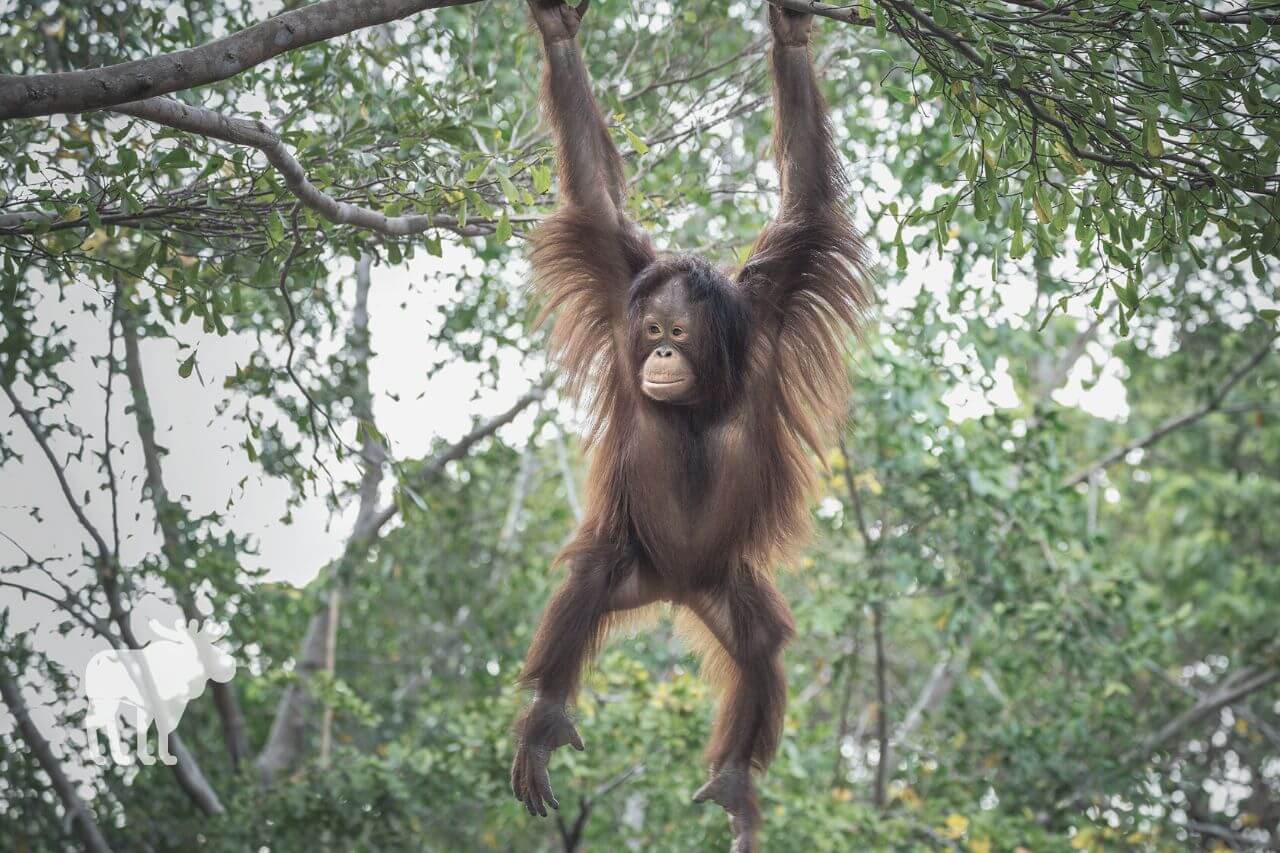
Orangutans are found on the Asian islands of Borneo and Sumatra. There are three distinct species, all of which are closely related to chimpanzees, gorillas, and humans.
Orangutans are the largest tree-climbing mammals in the world. They typically move through trees by wrapping their padded fingers and toes (each with opposable digits) around branches, and their flexible hip joints make it easy for them to move their arms and legs in similar patterns, which aids in climbing.
Orangutans build nightly nests in trees by breaking branches and fashioning them into platforms with leaves and twigs, as seen in the video below. They mostly eat fruit, but they will also occasionally consume meat, invertebrates, and other types of food.
7. Green Tree Python
Green tree pythons are found in areas of Asia and Australia. They live primarily in tropical rainforests but may also make their way into other types of forests and even gardens.
These large snakes spend most of their time in trees, using their prehensile tails to grip branches as they slither up and down. They also use their tails to stabilize themselves when striking their prey.
Green tree pythons eat small reptiles and mammals. They hunt mostly during the day when they are young and primarily at night after reaching adulthood.
8. Leopard
Leopards are one of many cat species, all of which are excellent climbers. Leopards can be found in several areas throughout Africa, Asia, and the Middle East.
Leopards have sharp, hooked claws that make them excellent climbers. They are known for dragging their killed prey into branches of trees and hanging the remains from branches.
Leopards are apex predators that will eat any animals they can kill. They generally prefer deer and antelopes, though in some areas they also show a preference for baboons and even dogs.
9. Moroccan Goat

Moroccan goats are known for climbing and perching in trees. These goats are not a particular species but, rather, are simply goats living in the area that are drawn to the fruit growing on argan trees.
The goats in southwestern Morocco have cloven hooves and soft soles, aiding them in climbing. They also have large, sturdy dewclaws that help them scramble up and down trees.
Moroccan goats enjoy the taste of argan fruit, which are hard nuts surrounded by a sticky, fleshy substance. The goats eat the fleshy part of the fruit, often clustering into trees in search of the fruit when it is in season.
10. Bear
There are eight bear species in Asia, Europe, and North and South America. They vary greatly in size, ranging from about 110 to more than 1,600 pounds.
These animals have sharp, curved claws and are excellent tree climbers. Some species, like the panda bear, have opposable thumbs that may aid in their climbing prowess.
Bears are generally omnivorous, eating a wide range of plant- and animal-based foods. Polar bears are exclusively carnivorous, while giant pandas are exclusively herbivorous.
Conclusion
Some of the many animals that climb trees include squirrels, opossums, sloths, leopards, and tree frogs. This is only a partial list, as there are many other animals throughout the world who have also adapted to become excellent tree climbers.
